
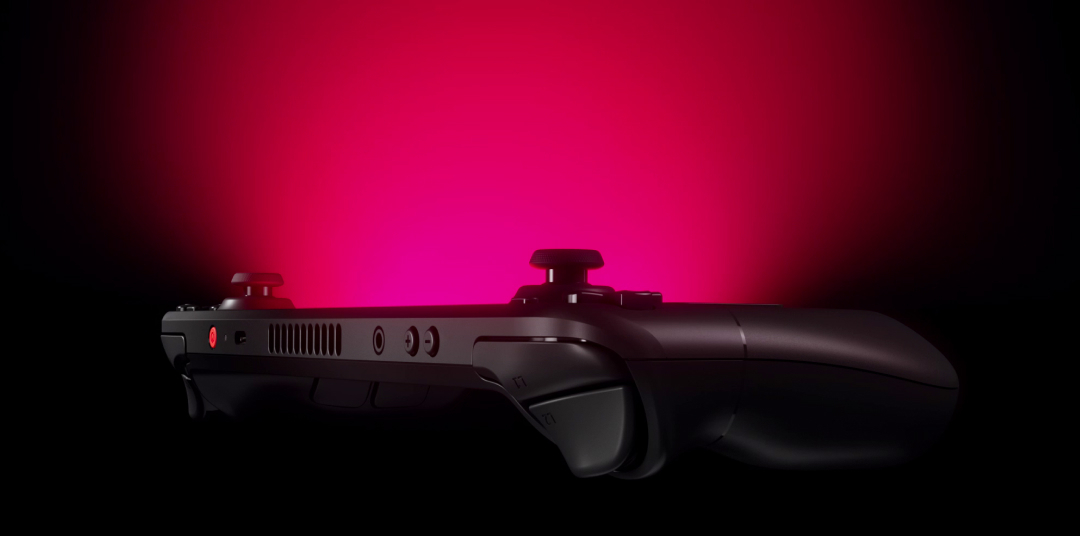
The first generation of handheld gaming PCs was a proof of concept with a battery problem. They ran desktop games, badly, for ninety minutes. Two years later the same idea works, and the reason is unglamorous: better power management and drivers that no longer waste a third of the chip.
We spent the past month carrying three of them on the same commute. The difference from 2024 is not raw performance. It is that none of them needed a charger before the return journey.
Where the gains came from
Two changes did most of the work. First, the processors now have a low power state that holds a frame rate rather than dropping to single figures. Second, the software caught up: sleep and resume works, which sounds trivial until you have lost a boss fight to a suspended session.
A handheld lives or dies on sleep. Everything else is a specification.
What a good handheld actually needs
- A screen that survives daylight. 500 nits is the floor, and most of the cheap ones are closer to 300.
- Hall effect sticks, because drift is the failure that makes a device useless after a year.
- A battery measured in hours of play, not watt-hours. Ask how long it runs a demanding game at 30fps, not the headline capacity.
- Weight under 700g, or your wrists decide for you.
- A real sleep state. If waking takes fifteen seconds, you will stop using it.
The three we carried
The one that lasts the journey
The most expensive of the three is also the one that solved the battery problem, managing just over four hours of mixed play on a single charge. It is heavy, and the fans are audible in a quiet carriage, but it is the only one of the three that never interrupted a session.
The one that is nearly right
Cheaper, lighter, and better in the hand. It loses about forty minutes of battery against the leader and its screen is dimmer outdoors. For most people that trade is worth it, because the device you carry is better than the device with the bigger number.
The one to avoid
There is still a category of handheld that is a phone chipset in a plastic shell with a controller glued on. It runs mobile ports well and desktop games badly, and the marketing does not distinguish between the two. If a specification does not name the graphics hardware, that is the answer.
The software question
Windows on a handheld remains the weakest part of the experience. Sleep is unreliable, the interface assumes a mouse, and updates arrive at the worst possible moment. The devices that ship a console-style front end over the top of it are meaningfully better to live with, and the ones that run a handheld-specific Linux build are better again, at the cost of some anti-cheat compatibility.
Check the games you actually play before you buy. Competitive shooters with kernel-level anti-cheat are the usual casualties.
Should you buy one instead of a laptop
No, and the framing is wrong. A handheld is a second device for the hours you are not at a desk. If you want one machine for everything, our gaming laptop guide is the right place to start, and the Kestrel Pocket review covers the smaller end of the same market.
What to spend
Under £400 you are buying a compromise, usually on screen and battery. Between £400 and £600 is the sweet spot, where you get a decent panel, hall effect sticks and a battery that lasts a journey. Above £700 you are paying for performance that mostly shows up in the first twenty minutes before the thermal limit arrives.
Buy last year's model if you can. The generational gains are smaller than the price difference, and the accessories are the same.
FAQ
Can a handheld replace a console? For indie games and older titles, yes. For current big-budget releases, no.
Do they run Steam games? The ones running Windows or SteamOS do. Check compatibility per title rather than per device.
Is the screen too small? At 7in it is fine for games designed for it and cramped for anything with small text.
The bottom line
Handheld PCs stopped being a novelty when the battery stopped being the story. Buy in the middle of the range, check the anti-cheat situation for the games you play, and treat it as a second device rather than a replacement. On that basis, they are finally worth the money.

