
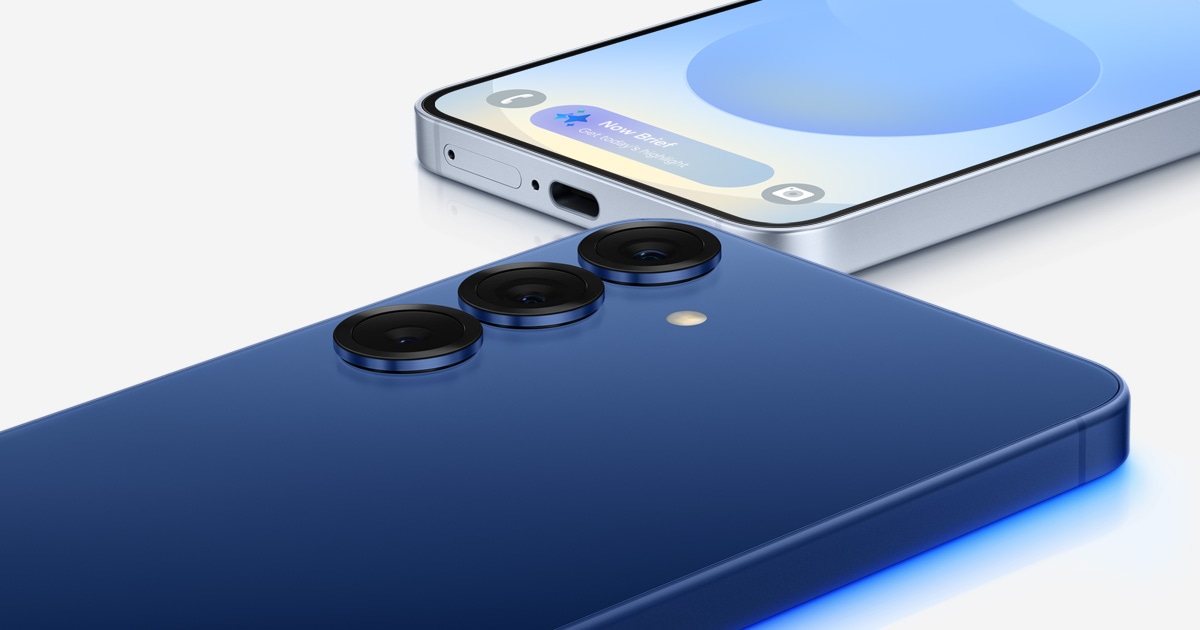
Most people should not buy a £1,000 phone, and the Aster M2 is the clearest argument for that in years. It is the mid-range model that does the things people actually do without the price of the flagship, and after a month the compromises are specific enough to list rather than vague.
What you get
A 6.4in OLED at 120Hz, a 5,000mAh battery, 12GB of memory, 256GB of storage and three cameras: a 50MP main, a 12MP ultrawide and a 10MP 3x telephoto. It is rated IP68 and promises five years of security updates, which is the single most important line on the spec sheet.
The camera is the surprise
The main sensor is where the money went, and it shows. Daylight shots are detailed without the over-sharpened look that mid-range phones usually have, and the 3x telephoto is genuinely useful rather than a token extra.
Low light is where the gap to a flagship appears. The M2 holds colour well but smears fine detail, and moving subjects blur more often than they should. For a phone at this price, that is a fair trade rather than a fault.
Battery and charging
Two days of moderate use is realistic. On a heavy day with an hour of navigation and two hours of video, it ended at 30 per cent. Charging is 45W wired and 15W wireless, and there is no charger in the box.
That missing charger is worth flagging because the phone does not support the fastest charging standards, so a cheap third-party brick will charge it slowly.
Software and the long game
Five years of security updates and four of Android version upgrades is the reason to buy this over a cheaper phone. A mid-range device with a short update policy becomes a liability by year three, and the M2 avoids that.
The interface is clean and the preinstalled apps are limited. There is some duplication of Google's own apps, which you can disable once and forget.
What is worse than a flagship
- Haptics. The vibration motor is noticeably coarser.
- Speakers. Fine for podcasts, thin for anything with bass.
- Video. 4K is capped at 30fps on the main sensor.
- Gaming. It runs everything, but sustained performance drops after twenty minutes.
Who it is for
Anyone replacing a phone that is three or more years old and wants to spend once rather than every two years. It is not for someone who wants the best camera, and it is not for someone who wants the smallest phone, because it is neither.
If you are weighing a repair instead of a replacement, our guide to checking phone battery health explains when a new cell is the cheaper answer, and what an eSIM changes covers the switching side.
FAQ
Is the 3x telephoto worth having? Yes. It is the difference between a usable portrait and a crop.
Does it support wireless charging? Yes, at 15W, which is slow but fine overnight.
How long will it get updates? Five years of security patches from launch.
Is the screen bright enough outdoors? Yes, though it dims in direct sun to manage heat.
The verdict
The Aster M2 is the phone most people should buy because it spends money on the things that matter for years, namely updates, battery and a main camera that holds up, and saves it on the things that matter for minutes. The missing charger and the coarse haptics are the price of that decision, and both are easy to live with.
Further reading: Android's update policy guidance for what to expect from long-term support.


