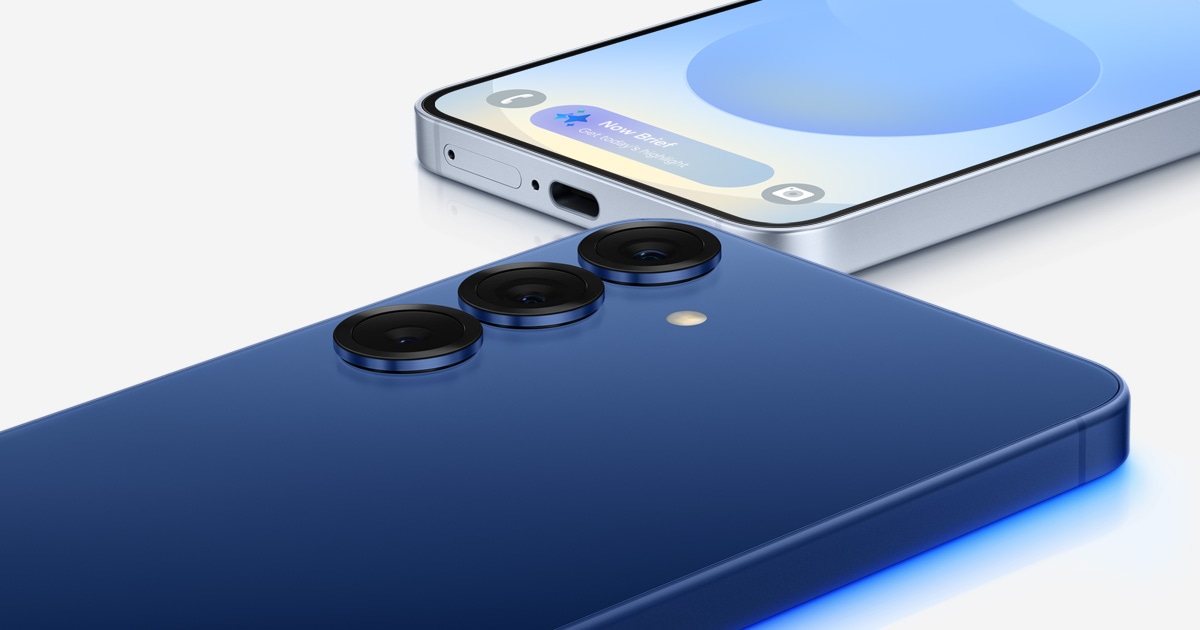
An eSIM is a SIM that lives inside your phone as software rather than a piece of plastic, and it has quietly become the default on most new handsets. It changes how you switch networks, how you travel and how you run two numbers, and it removes one of the small annoyances of changing provider. Here is what it means in practice in the UK.
What an eSIM actually is
The letters stand for embedded SIM. A small chip soldered into the phone holds a profile that your network writes to it remotely. You activate a plan by scanning a QR code or using the network's app, and the profile downloads.
There is no tray to open, nothing to lose, and no wait for a card in the post.
What it changes for you
- Switching networks is faster. A new plan can be live in minutes rather than days.
- You can run two numbers at once, which is the feature most people end up valuing most: a work number and a personal one, or a UK number plus a travel plan.
- Travelling is cheaper. A local data eSIM for a week often costs less than a single day of your home network's roaming charge.
- Moving phones is messier. Some networks let you transfer an eSIM between handsets in the app. Others make you request a new one, and if you wipe the phone before transferring, you may need to contact support.
The catch nobody mentions
An eSIM is tied to the device it was installed on. If the phone dies, the profile dies with it. Before you trade in or repair a handset, check the transfer process with your network, and never factory reset a phone that holds an eSIM you still need.
How to check whether your phone supports it
On iPhone, open Settings, then General, then About, and look for a Carrier Lock section. On Android, the setting appears under Network and internet, then SIMs, as "Add eSIM". Almost every phone launched in the last three years supports it.
FAQ
Can I have more than one eSIM? Yes. Most phones store several profiles and run two at a time.
Does an eSIM change my signal? No. It is the same radio and the same network.
Can I go back to a plastic SIM? Usually yes, by asking your network for one.
The bottom line
The eSIM is a quiet improvement that mostly matters when you travel, switch provider or carry two numbers. Just remember it is tied to the handset, so plan the transfer before you change phones. If you are preparing a phone to sell, read how to wipe a laptop before you sell it for the same discipline applied to computers.