Four days is long enough to find out whether a folding phone is a real device or a demo you tolerate. The Kestrel Fold sits at the expensive end of the market, which means it has to justify itself on the things that annoy you by the second week rather than the spec sheet you read on the first morning. Here is what four days actually showed.
What it is
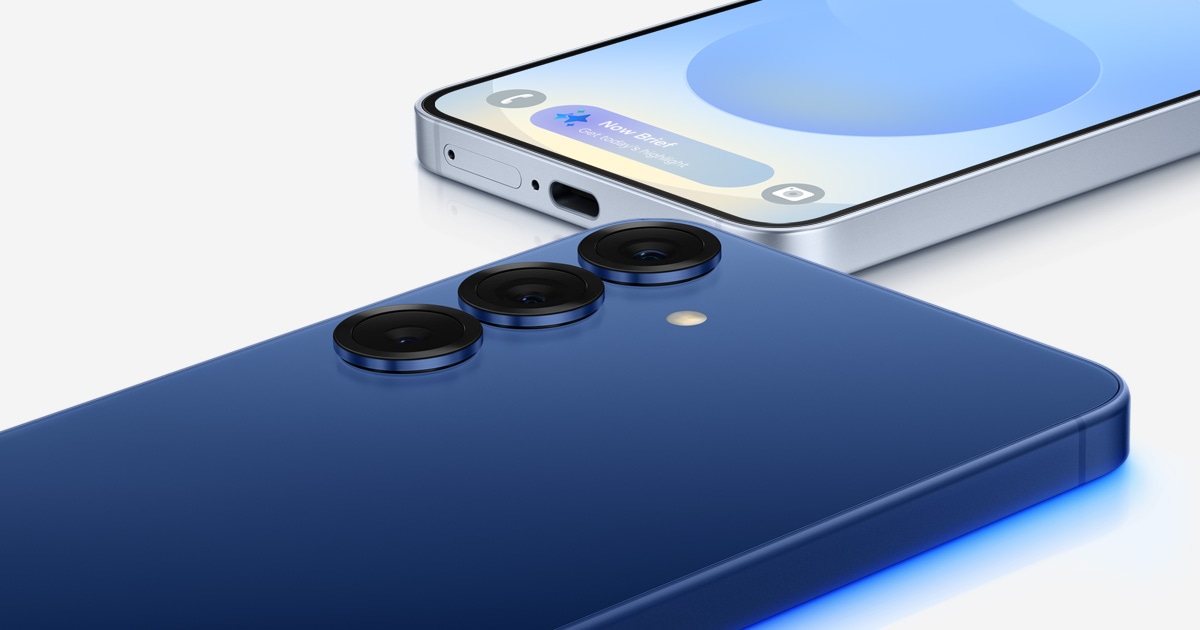
The Kestrel Fold is a book-style foldable: a 6.4in cover screen that behaves like a normal phone, opening to a near-square 7.9in inner display. It weighs 239g, which is heavier than a flagship slab and noticeable in a jacket pocket. The hinge closes flat with no gap, and the crease across the middle is visible at an angle and faintly detectable under a thumb.
That crease is the first thing everyone asks about, so let us deal with it: after four days you stop noticing it, and you never stop being able to feel it.
Day one: the cover screen decides everything
Most foldable regret comes from the cover screen being too narrow to type on. Kestrel has avoided that. At 6.4in with a 20:9 ratio it works as a normal phone, and I answered messages all day without opening the device once.
That is the correct design decision, and it is the reason the first day felt unremarkable in the best way.
Day two: the inner screen earns its place
The fold only makes sense if you do something that needs the extra width. For me that was two documents side by side and a video call with notes underneath. The 120Hz panel is bright enough to use outdoors, though it drops its refresh rate in sunlight to protect the panel, which you notice when scrolling.
Multitasking is competent rather than clever. Two apps side by side work properly. Three is cramped. The split-screen gestures are the part that needs a week, not four days.
Day three: the battery question
This is where folding phones have historically fallen over, and the Kestrel Fold does better than expected without being good. A 4,600mAh cell in a device this thin means a heavy day ends at 15 to 20 per cent, and a day with the inner screen open for two hours of video ends closer to 5.
Charging is 45W wired, which gets you from empty to 60 per cent in half an hour. There is no charger in the box.
Day four: the compromises that remain
- Cameras are good, not flagship. Daylight shots are excellent. Low light is a step behind the best slab phones at this price.
- Dust resistance is limited. The hinge is the reason. Treat a beach trip as a risk.
- Repairs are expensive. Screen and hinge repairs on foldables cost more than most people expect, so insurance is not optional at this price.
- Cases are awkward. Every case adds bulk to a device that is already heavy.
Who it is for
If you read documents, annotate PDFs or take video calls on the move, the inner screen is a genuine upgrade and you will use it daily. If your phone use is messaging, maps and a camera, the fold is a £1,700 answer to a question you do not have, and a slab at half the price is the better device. Our Kestrel Pocket review covers the other end of that argument for people who want portability rather than screen area.
FAQ
Does the crease get worse? Not in four days, and long-term reports on similar hinges suggest it settles rather than degrades.
Is the inner screen fragile? It is softer than glass. Fingernails and grit are the enemy, and you should never use a stylus that is not designed for it.
Can you use it one-handed? The cover screen, yes. Open, no.
Is it worth the price? Only if you know what you would do with the extra width. If you cannot name that in advance, you will not use it.
The verdict after four days
The Kestrel Fold is the first folding phone I have carried where the fold is a tool rather than a novelty. The cover screen is good enough that you are never forced to open it, the inner screen is genuinely useful for work, and the battery is adequate rather than impressive.
Four days is not a long-term test. The questions that remain are about the hinge at eighteen months and the cost of the first repair, and those are the reasons to buy insurance rather than to avoid the device. On what it does now, it earns its price for a specific kind of buyer and wastes it for everyone else.